The End of the Static AI Harness? Why Agents Generating Agents on the Fly Changes Everything

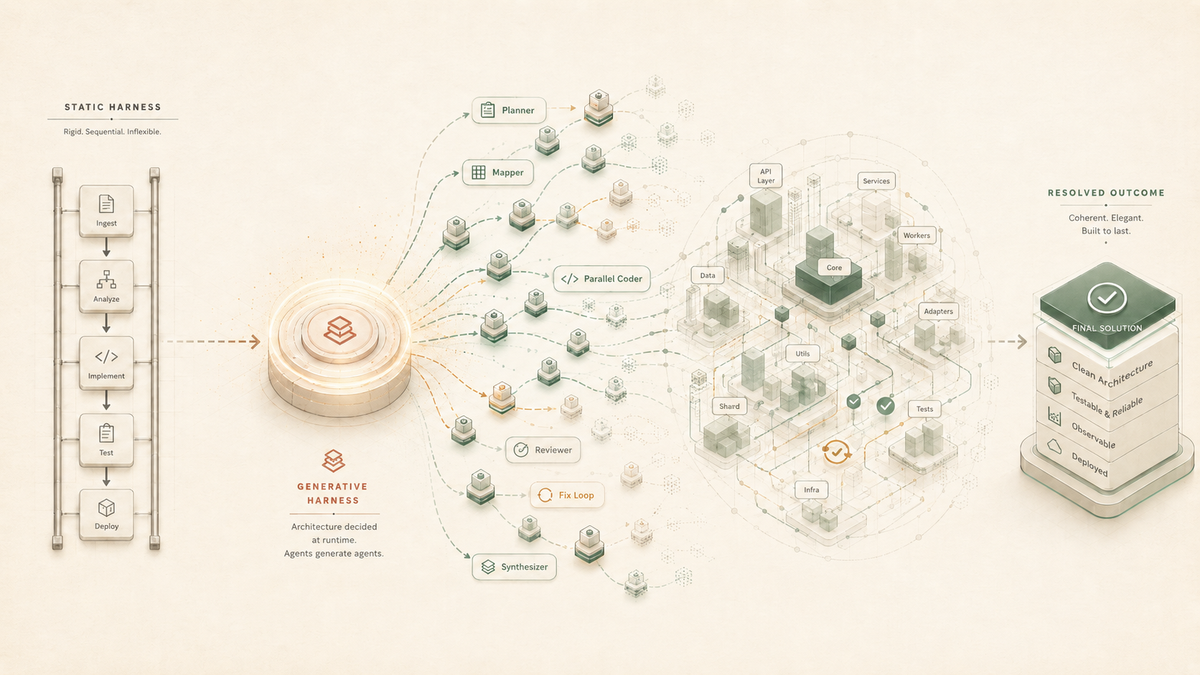
The development of reliable AI agent systems has closely mirrored traditional software engineering over the past two years. Carrying out complex, long-term tasks, such as thorough codebase audits or large-scale platform migrations, necessitated the creation of dedicated pipelines. Developers were tasked with establishing the rules, mapping the workflows, and manually programming the orchestrator.
Our evolution has shifted from writing code to manage data to writing code that manages the AI itself. This approach has been fundamentally transformed by the introduction of Claude Opus 4.8 and its dynamic workflows. Now, the AI generates the code necessary to manage itself. We are moving away from rigid, human-written frameworks into a new era of generative architecture. In this phase, the model analyzes the objective, immediately produces a customized JavaScript execution harness, assembles a unique temporary AI workforce, and dismantles the entire infrastructure once the task is completed.
Understanding the Constraints of Architectural Rigidity
To understand the significance of this shift, we first need to define what a "harness" is. An LLM (Large Language Model) is inherently a passive text generation engine. To transform it into an autonomous system, we require a software harness and an execution framework that surrounds the model. This framework provides access to tools, manages memory, supplies system instructions, and establishes logic loops.
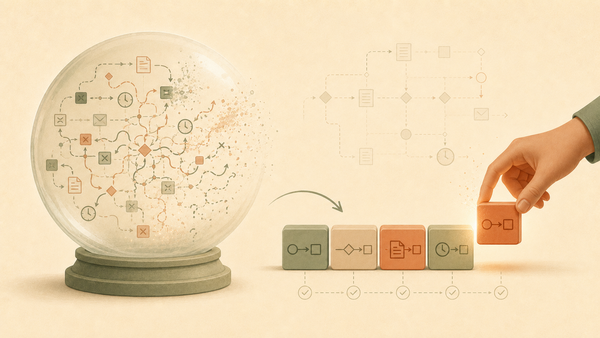
Historically, these harnesses had to be pre-written by human engineers. Although these static architectures can handle complex, long-term tasks effectively—especially when the review loops and state management are precisely hardcoded—they have a fundamental flaw: they are inflexible.
Static harnesses require humans to predict the exact structure of a problem before runtime. For instance, a hardcoded sequential pipeline consisting of a Planner, Worker, and Reviewer may excel at writing a single feature. However, it becomes a significant bottleneck when faced with parallel tasks, such as mapping a codebase. This mismatch forces parallel challenges to be tackled sequentially, resulting in wasted compute resources, tokens, and time.
Ultimately, the main challenge with static AI architecture is not its ability to solve complex problems, but the need for humans to manually design a unique architecture for each category of difficult problem.
Real-Time Breakthroughs: Generative Architecture in Action
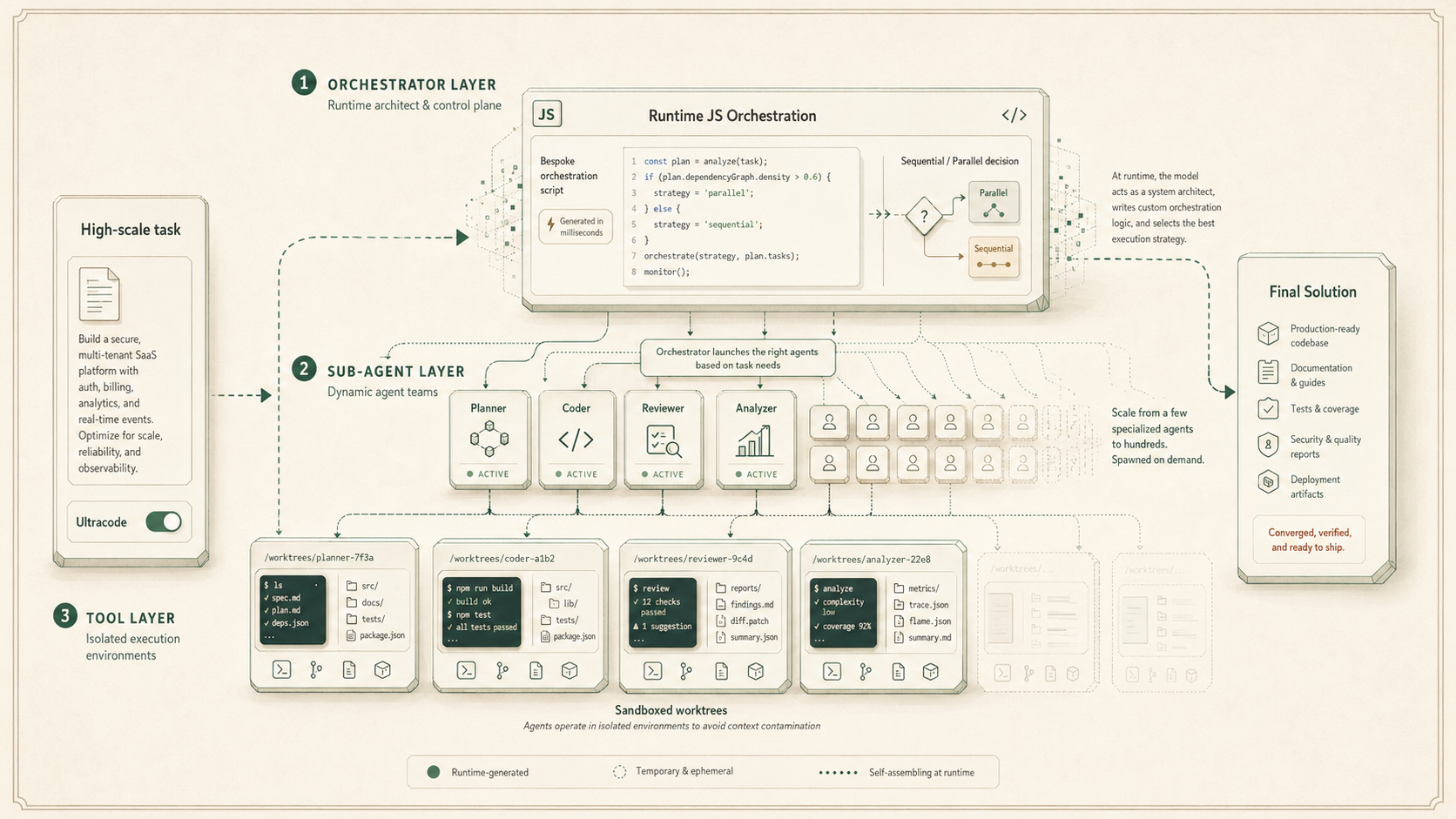
The core strength of Claude Opus 4.8 lies in its ability to determine system architecture at runtime through dynamic workflows. When a high-scale task is initiated via Claude, typically using the "Ultracode" toggle, the model assumes the role of a system architect rather than simply predicting text within fixed parameters. In a matter of milliseconds, it produces a temporary, bespoke JavaScript orchestration script tailored to the prompt's unique requirements.
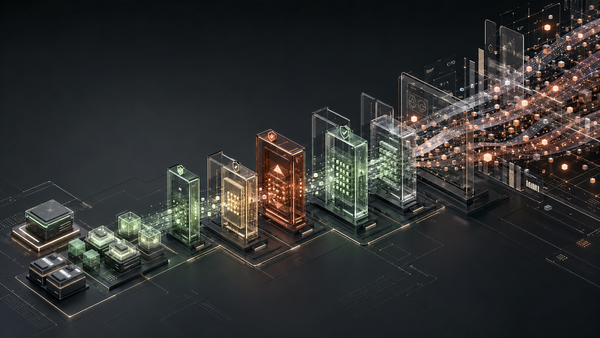
This process facilitates a self-assembling ecosystem across three critical tiers:
- Orchestrator Layer: The model assesses the objective to determine whether execution should be sequential or parallel and codes the JavaScript logic required for management.
- Sub-Agent Layer: Based on the orchestrator's logic, isolated workers are dynamically launched; this can range from two agents for minor bug fixes to hundreds for massive data analysis.
- Tool Layer: The system establishes sandboxed worktrees, in which agents operate independently to prevent contamination of the context window.
Case Study: The Bun Migration and Problem-Specific Adaptation
The ability to write execution harnesses on the fly allows the AI to implement specialized distributed-systems patterns tailored to the specific contours of a given challenge.
This capability is demonstrated by a recent real-world breakthrough: Jarred Sumner utilized dynamic workflows within Claude Code to migrate the Bun JavaScript runtime from Zig to Rust. While such a migration would typically require several quarters of intensive human effort, this process generated and merged approximately 750,000 lines of Rust in only 11 days, achieving a 99.8% pass rate on existing tests.
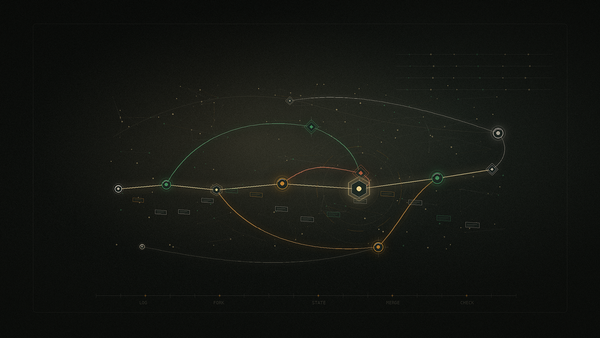
Where a rigid, static pipeline would have failed at this scale, Claude established a dynamic architecture that evolved through four distinct stages:
- Stage 1: Field Mapping. The system created a bespoke workflow to accurately map Rust lifetimes for every struct field within the original Zig code.
- Stage 2: Parallel Synthesis. Hundreds of agents were simultaneously deployed by the orchestrator to port every .zig file to its Rust equivalent.
- Stage 3: Multi-Agent Review. The harness assigned two independent reviewer agents to perform adversarial audits on every file produced during the synthesis stage.
- Stage 4: Iterative Refinement. A persistent feedback loop monitored the build and test suites, routing errors back to agents for correction until the codebase was fully stable.
The Era of Ephemeral Orchestration
The shift toward generative architecture carries deep consequences for enterprise design and software engineering. We are transcending the pursuit of a flawless, universal multi-agent router.
The true elegance of this transition lies in the infrastructure's temporary nature. Every component, from the specialized JavaScript orchestration scripts to the sandboxed worktrees and the hundreds of worker agents, is entirely ephemeral. These elements exist only as long as necessary to complete the task. Once the synthesizer agent delivers the final solution, the complex network simply dissolves.
Ultimately, are we moving on from constructing static AI systems?